Flooring
Engineered vs Solid Hardwood Flooring for BC's Coastal Climate
For most Lower Mainland homes, engineered hardwood is the better choice: its layered core stays dimensionally stable through BC's wet coastal humidity swings and works over concrete slabs and radiant heat. Solid hardwood still wins in older above-grade homes where you want multiple future sandings.
For most homes in Vancouver and the Lower Mainland, engineered hardwood is the better long-term choice. Our humid coastal climate, concrete subfloors in newer builds, and the popularity of radiant heat all stack the deck in engineered's favour. Solid hardwood still wins in some specific situations.
What's the actual difference?
- ·Solid hardwood is a single piece of wood — typically 3/4" thick — milled from one species (oak, maple, walnut).
- ·Engineered hardwood has a real hardwood wear layer (2–6 mm) bonded to a stable plywood or HDF core.
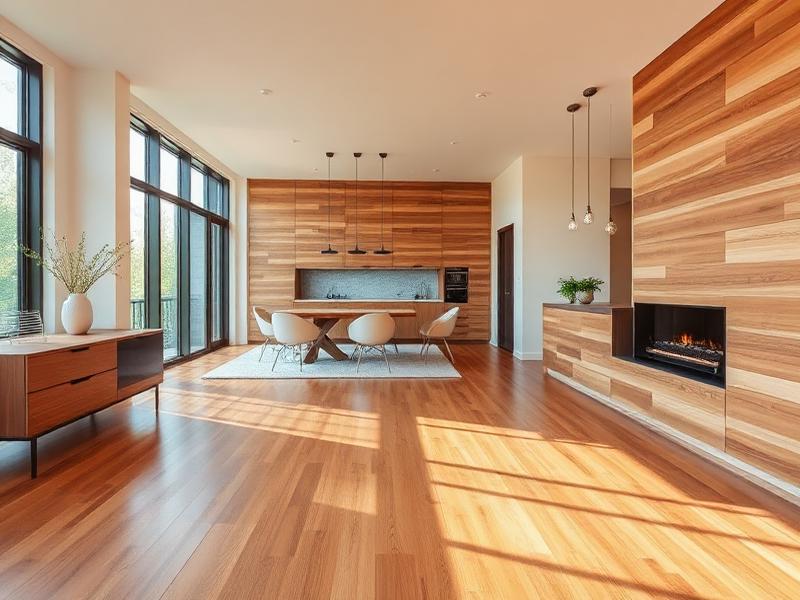
Visually, well-made engineered hardwood looks identical to solid hardwood. The difference lives underneath.
Why engineered wins in BC's coastal climate
- ·Humidity stability. Vancouver and the Lower Mainland sit between 65–85% humidity for much of the year. Solid hardwood expands and contracts more than engineered, which can cup, gap, or crown over time.
- ·Concrete subfloors. Most newer condos and many basements in Burnaby, Richmond, and Surrey sit on concrete slabs. Solid hardwood cannot be glued directly to concrete; engineered can.
- ·Radiant heat compatibility. Engineered handles the heat cycling of in-floor heating much better than solid.
- ·Wider planks. If you want 7", 9", or even 11" wide planks, engineered is essentially required — solid wood that wide will move.
When solid hardwood still makes sense
- ·Heritage homes in New Westminster, Vancouver, and North Vancouver where original solid floors are being refinished or matched.
- ·Above-grade installations in older homes with stable wood subfloors and good ventilation.
- ·Long-term sanding goals. Solid hardwood can be sanded 5–7 times. Premium engineered with a 6 mm wear layer can be sanded 2–3 times — still plenty for most homeowners.
Our recommendation
For 80% of Lower Mainland homes, choose a high-quality engineered hardwood with a 4–6 mm wear layer, wire-brushed white oak, and a matte UV-cured finish. It will look beautiful, stay flat, and serve the home for 25+ years.
Picking flooring for your project? Request a free quote — we'll bring samples and walk you through the trade-offs.
Frequently Asked
Questions we get asked
Is engineered or solid hardwood better for BC's coastal climate?
Engineered hardwood is generally better in coastal BC because its cross-layered core resists the cupping and gapping caused by seasonal humidity swings. Solid hardwood remains a good option in dry, above-grade, well-conditioned spaces.
Can engineered hardwood be refinished?
Yes, if the wear layer is 3 mm or thicker it can usually be sanded and refinished once or twice. Thin 1–2 mm wear layers should be treated as a single-life floor.
Can I install hardwood over a concrete condo slab?
Engineered hardwood can be glued or floated over a properly tested concrete slab, while solid hardwood generally cannot without a plywood subfloor. Moisture testing of the slab is mandatory before installation.
How long should flooring acclimate before installation?
Plan on three to five days of acclimation on site with the HVAC running at normal living conditions. Skipping acclimation is the most common cause of gapping in Lower Mainland installs.